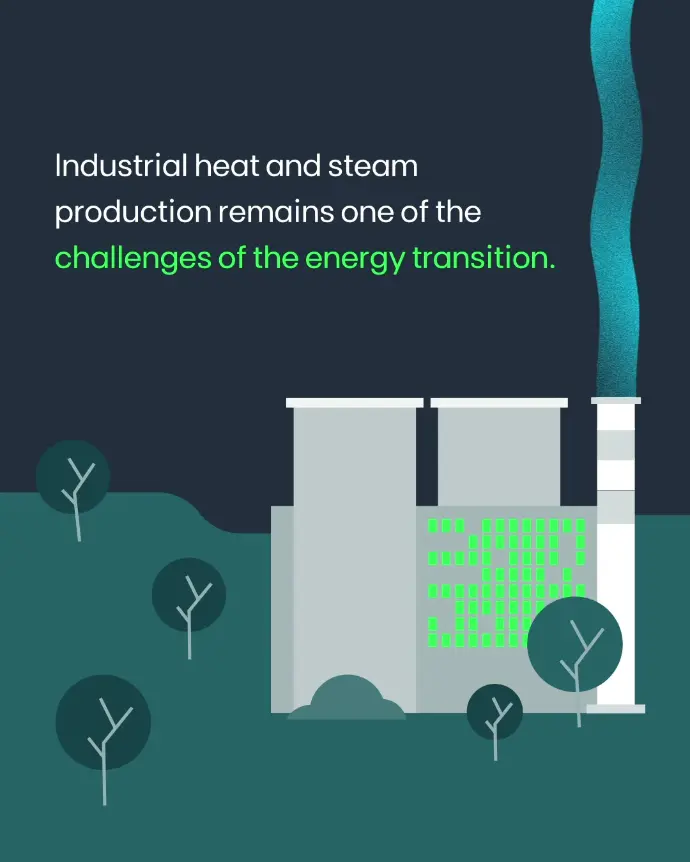
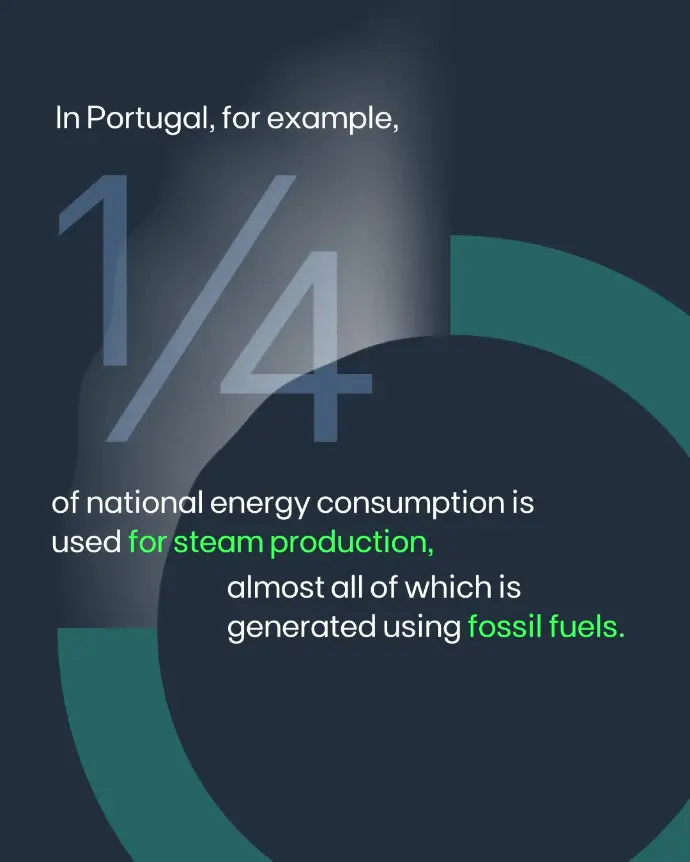
Renewable electricity is gaining ground in industry, but not fast enough. Heat, on the other hand, is still generated using gas almost everywhere. This is one of the most challenging areas to decarbonise, because steam must be available continuously and any interruption is costly.
A project commissioned in Portugal by EDP at the Paper Prime paper mill provides concrete figures on how to make progress without replacing everything at once.
The Paper Prime case
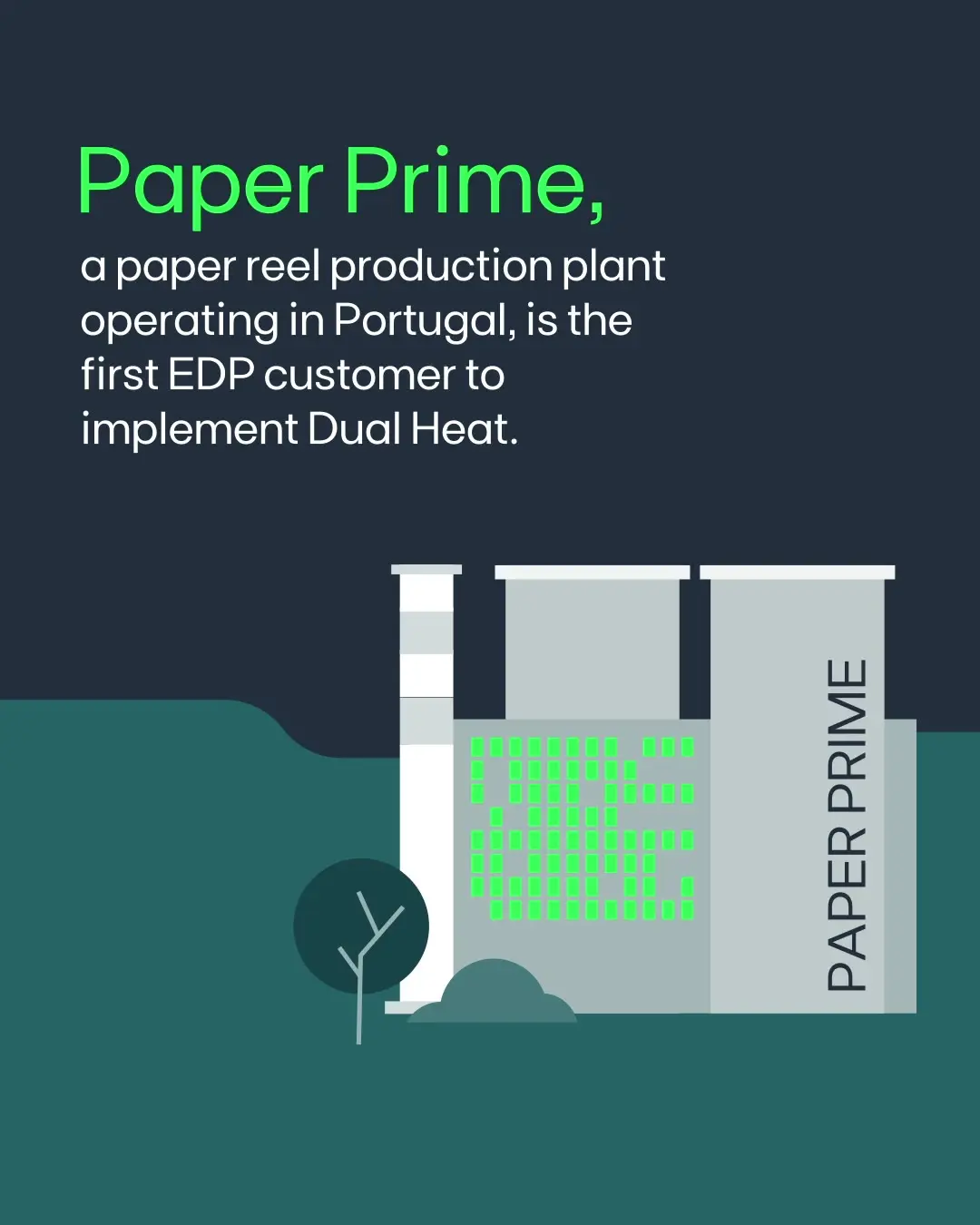
Paper Prime produces over 33,000 tonnes of tissue paper a year in Vila Velha de Rodão, in central Portugal. The mill operates 24 hours a day and relies on an uninterrupted supply of steam.
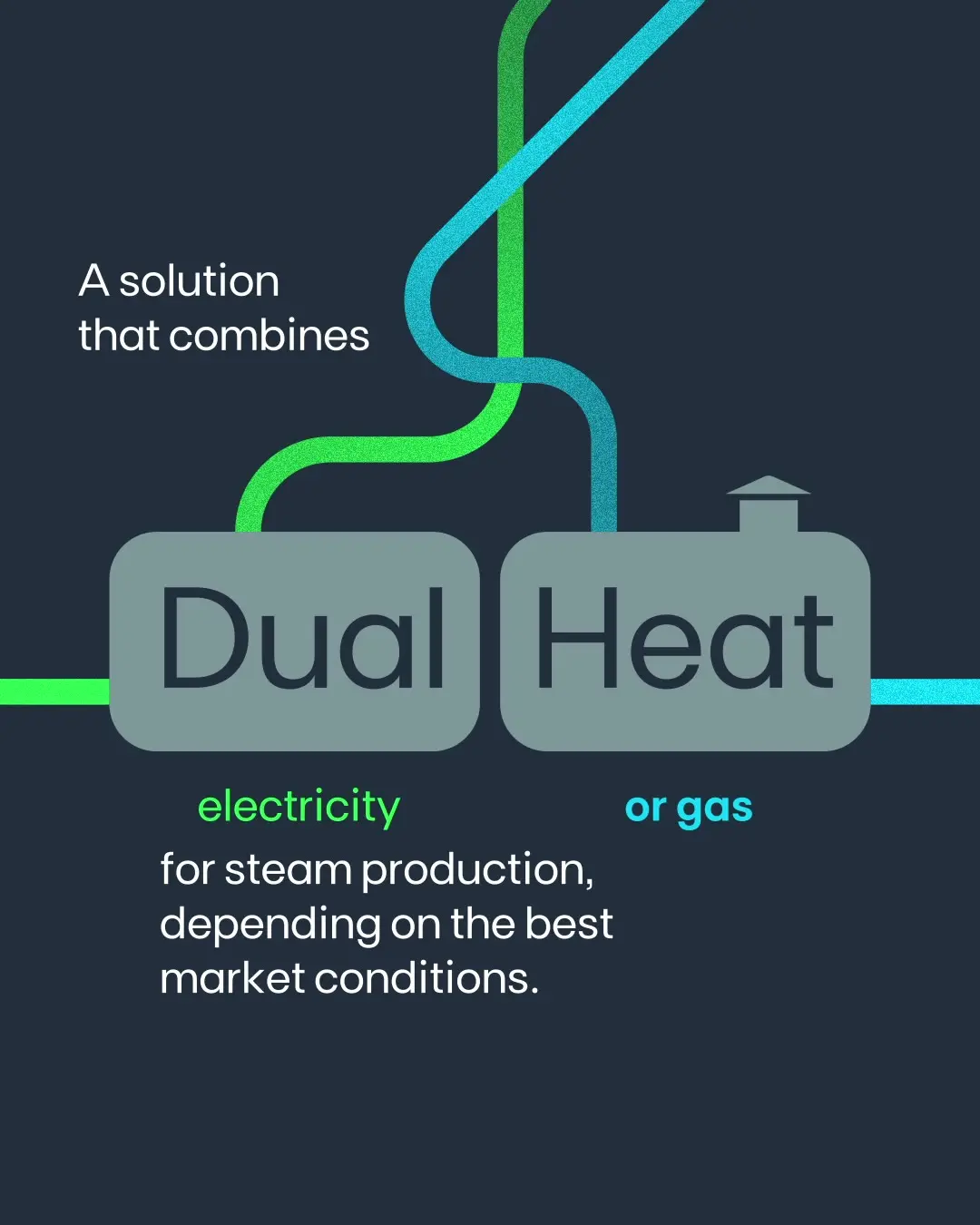
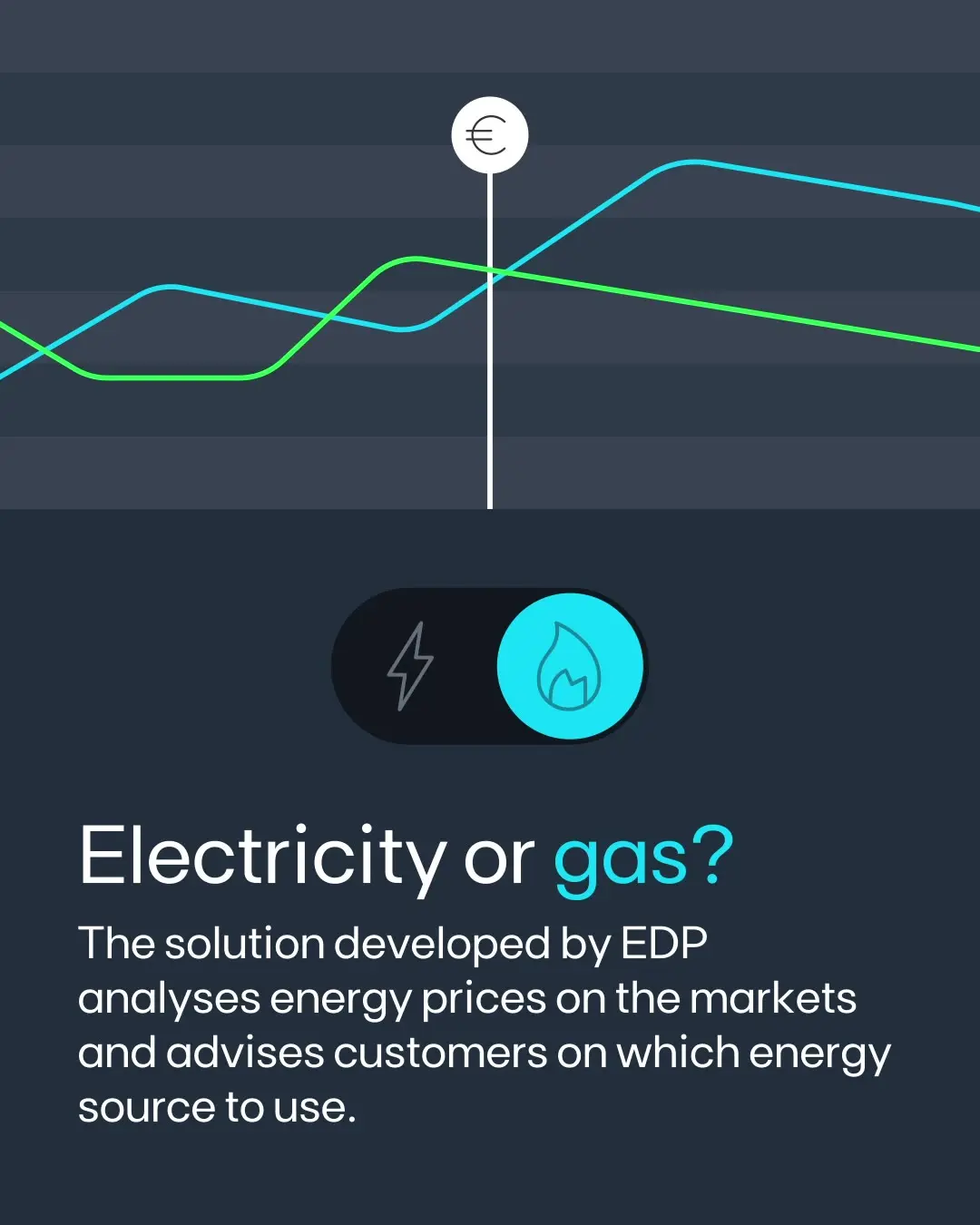
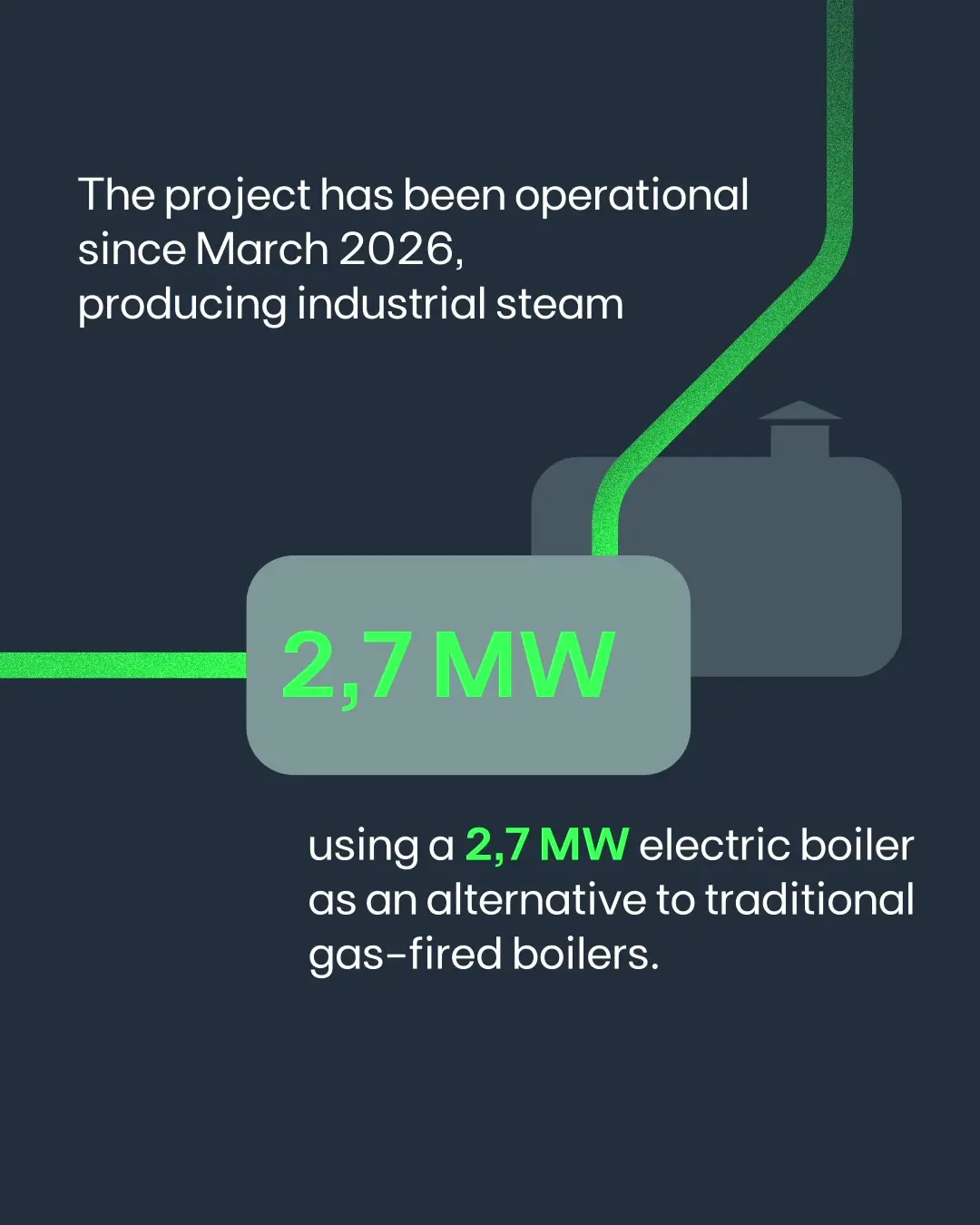
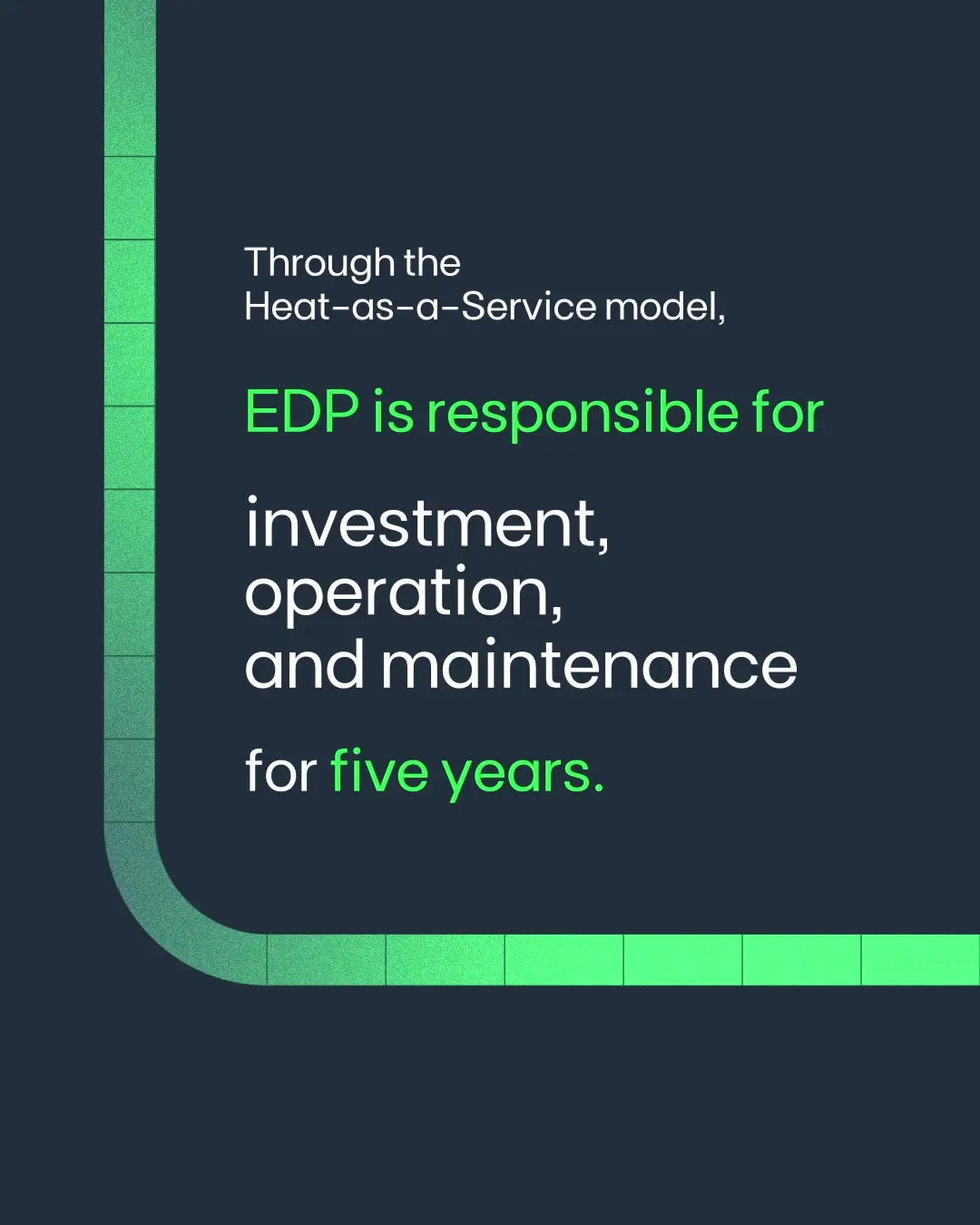
EDP has installed a 2.7 MW electric boiler there, alongside the existing gas-fired boiler. The site switches between the two depending on the relative prices of electricity and gas, without disrupting the continuity of the production process. The entire system is provided as ‘Heat-as-a-Service’: EDP finances, installs, operates and maintains the boiler.
Results for the first three months:
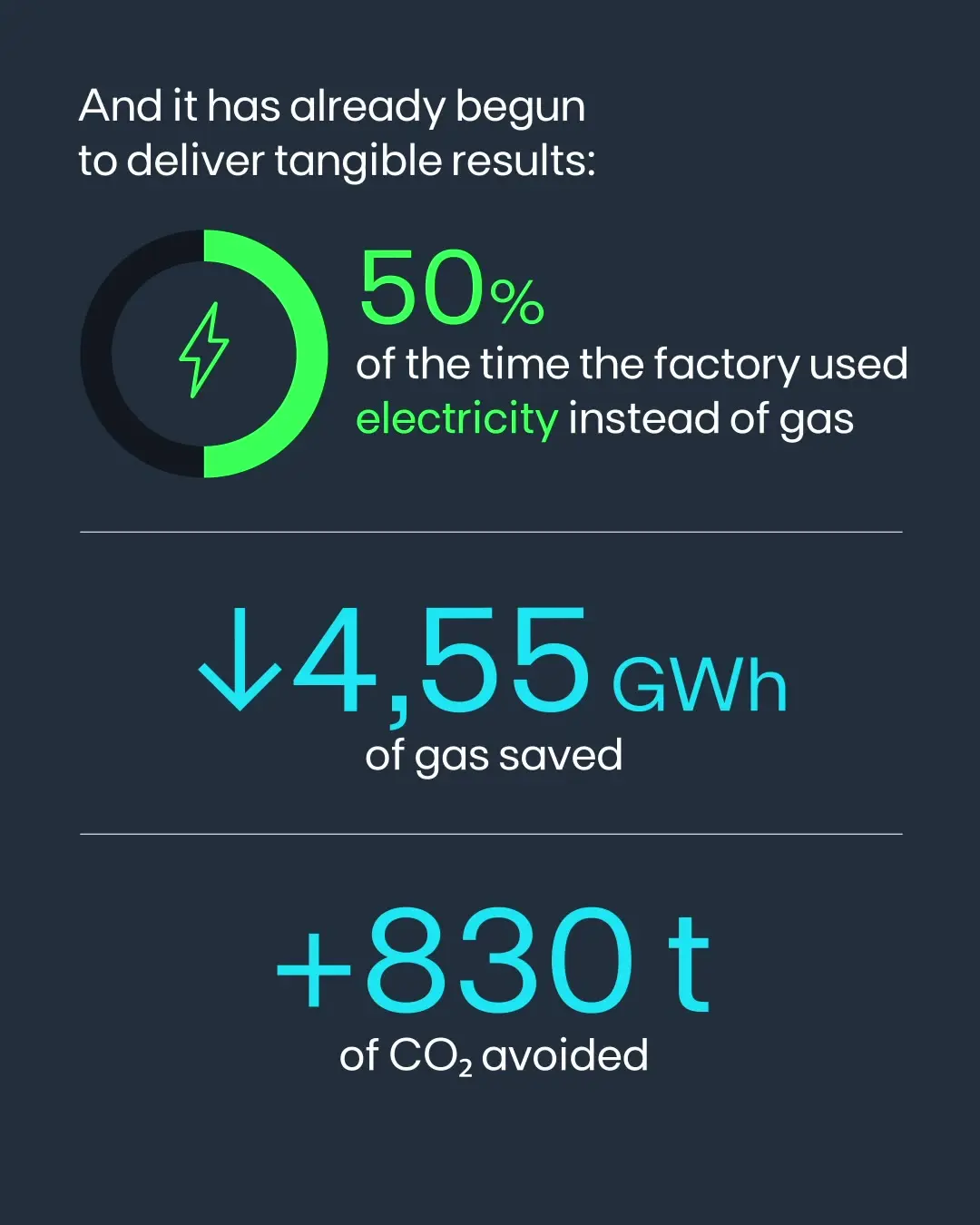
In the first half of 2026, electricity on the Iberian market was cheaper than gas for more than half the time. The site therefore produced its steam using electricity alone for around half of its operating hours.
- more than 4.5 GWh of natural gas avoided;
- approximately 4 GWh of electricity used instead;
- in total, this represents over 830 tonnes of CO₂ avoided.
For Paulo Lobo Correia, a member of Paper Prime’s board of directors, the initial results show that “it is possible to combine decarbonisation and competitiveness by using electricity intelligently” (translated from English).
Why the hybrid approach changes the equation
Electrifying heating does not necessarily mean abandoning gas overnight. The hybrid model offers three key benefits. For António Araújo, head of EDP’s Business segment in the Iberian Peninsula, industrial decarbonisation requires a combination of technologies tailored to the reality of each site, and heating remains one of the main challenges.
- Safety first. Gas remains available as a backup; production does not depend on a single energy source.
- Arbitrage next. The site uses electricity when it is cost-competitive and switches back to gas when it is not. This reduces its exposure to the volatility of both markets.
- Gradual implementation, finally. You can start by meeting part of the demand, assess the situation, and then scale up.
Removing the barrier to investment
The Heat-as-a-Service model follows the same logic already applied to solar power stations and batteries in the ‘As-a-Service’ model: the initial investment is no longer the primary obstacle to the decision.
And in Belgium, France and Luxembourg?
Four factors we take into account to determine the best configuration.
The relative price of electricity and gas
Indeed, there are two key factors to understand. Firstly, the difference between the price of gas and that of electricity varies from one country to another. Secondly, a hybrid system does not run on electricity all year round: it switches over at times when electricity becomes competitive. On the day-ahead market, these periods with low or even negative prices are becoming more frequent, particularly when renewable electricity is abundant. Our Belgian electricity market dashboard tracks these on a day-to-day basis. Profitability depends on a combination of three factors: the number of such hours, the actual grid tariff paid by the site, and the electricity generated by an on-site solar power plant. Only a site-by-site analysis can provide a definitive answer.
Connection capacity
A boiler with a capacity of several megawatts requires available power from the grid, which is not always guaranteed. An energy management system and a battery can help mitigate this constraint.
On-site solar generation
The hours when renewable electricity is abundant are precisely those when an electric boiler can operate. An existing solar power plant can thus directly supply part of the steam production and increase self-consumption.
The heat profile
Temperature, pressure, timings: not all requirements are handled in the same way. When the available electricity and the demand for steam do not coincide, thermal storage becomes an option. EDP has, in fact, introduced the first thermal battery onto the Portuguese market.
Where to start
An initial assessment is based on data that most sites already have: annual gas consumption, hourly steam profile, available connection capacity and electricity load curve.
Would you like to find out more about electrifying your heat? Let’s discuss it
Source: EDP, ‘EDP and Paper Prime bring pioneering industrial heat electrification project into operation in Portugal’